Complete Guide to Truck Winches: Sizing, Line Type, and Recovery Technique
A winch is the one piece of off-road gear that can turn a terrible day into a ten-minute delay. But an undersized winch, a bad anchor, or a careless hand on the line turns recovery into damage. This guide covers the three decisions that matter: winch capacity, line type, and technique.
Step 1: Size the Winch to the Vehicle
The industry baseline is simple: winch capacity ≈ 1.5 × loaded vehicle weight. Count everything — armor, winch, cargo, occupants. A full-size pickup built for overlanding commonly lands between 6,500 and 8,000 lb, which is why the 12,000 lb 12V electric winch is the default choice for trucks. Note the physics: winches pull hardest with the first layer of line on the drum, and each additional layer cuts effective pull by roughly 10–15%. Rated capacity assumes the first layer.
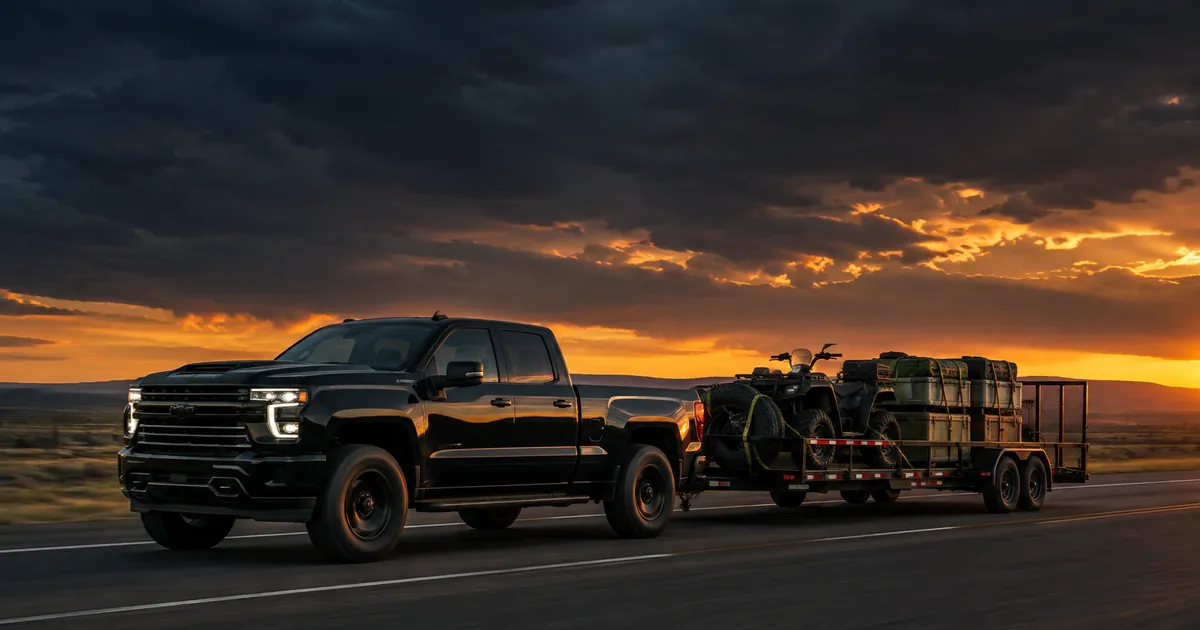
For ATVs and side-by-sides, the same math gives you a 3,500 lb winch — enough for the machine plus the terrain advantage of a rolling start.
Step 2: Steel Cable or Synthetic Line
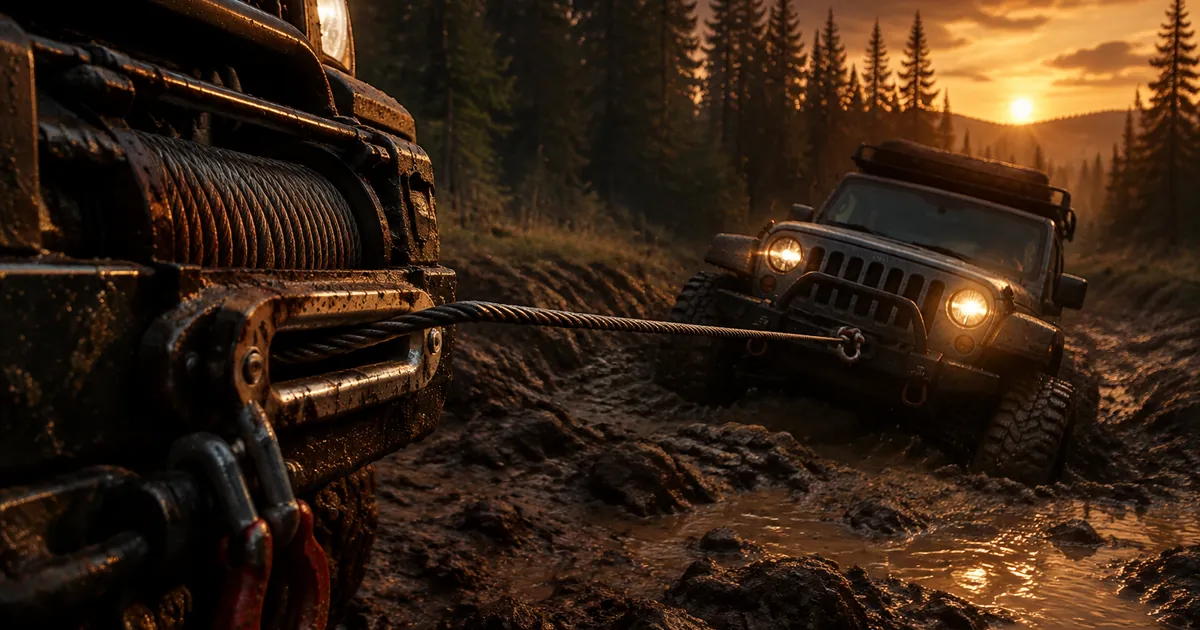
- Steel cable is abrasion-proof, cheap to replace, and tolerant of dragging over rock — but it stores energy. A snapped steel line is genuinely dangerous; always drag a damp winch damper or floor mat over the mid-span.
- Synthetic line is lighter, safer under failure, and never kinks, but hates abrasion and UV. It is the better choice for frequent self-recovery; carry a rock sleeve for rocky terrain.
Step 3: Hardware That Multiplies the Winch
Two accessories turn a modest winch into a recovery system. Forged 3/4-inch D-ring shackles are the universal connection point — rated, threaded, and tightened with a wrench, never hand-tight. A 4.75-ton snatch block does two jobs: doubling line back to your own truck nearly doubles pulling power for a dead-stuck situation, and redirecting the pull lets you anchor straight ahead when the only solid tree is off-axis. A 3×20 ft recovery strap belongs in the same bag for dynamic pulls and as a tree-saver around the anchor.
Step 4: Run a Safe Recovery
The sequence that never changes
- Anchor low and solid — a tree trunk near the base, a boulder, or another vehicle's frame hitch. Never a dead stump or a rock pile.
- Spool out to the first or second layer; more line on the drum means less pull.
- Place a damper (mat, jacket, bag) over the mid-span of the line.
- Clear the area — everyone stands aside at 1.5× line length, nobody inside the loop.
- Pull under load smoothly, throttling the engine, watching the line, pausing if the anchor moves.
- Rest the motor — electric winches are duty-cycle machines; 30–60 seconds under load, then cool.
Maintenance Keeps It Working
After muddy runs, spool the line out, rinse the drum, and let it dry before rewinding under light tension. Check mounting bolts to torque spec each season and inspect the fairlead for burrs that chew line. The full care schedule is in our maintenance guide, and you can compare capacities across the electric winch and ATV/UTV winch collections.
Electric vs Hydraulic: Why 12V Electric Wins for Most Trucks
Hydraulic winches pull continuously and never overheat, but they need power steering plumbing and real money. A quality 12V electric winch like the 12,000 lb model covers 95% of recreational recovery if you respect its duty cycle: short pulls under load, cool-down pauses, and a healthy battery. Keep engine rpm slightly above idle while winching so the alternator supports the draw instead of draining the battery.
Anchor Selection: The Skill That Matters Most
Hardware is replaceable; judgment is not. A good anchor is alive (a tree), heavy (a boulder), or attached to the ground (a buried spare tire with a strap). Rules of thumb:
- Trees: always use a strap around the trunk at chest height — never wrap cable directly around bark.
- Rocks: only anchor to rock that is part of the formation, not loose boulders.
- Deadman anchors: bury your spare tire or a log for desert or sand terrain with no natural anchors.
- Another vehicle: connect frame-to-frame with a recovery strap and a shackle — never to a bumper or a tow ball.
Reading the line under load
A steel cable that goes slack suddenly, or a synthetic line that develops a soft spot, has been damaged internally. Retire it from recovery duty. After any heavy pull, run the line out and inspect the full length before rewinding — five minutes of inspection beats a failure on the next pull.
Frequently Asked Questions
Can I winch from the rear of my truck?
Only with a rated rear recovery point. Receiver hitches can accept a rated shackle block; bumper mounts and tow balls must never take a winch or strap load.
How long should my winch line be?
80–100 ft is the sweet spot. Longer lines reach more anchors but stack too many layers on the drum, killing pull power. A snatch block effectively doubles your reach when needed.
What maintenance does a winch need?
Rinse after mud, dry before rewinding, check mounting torque seasonally, and exercise the motor monthly in off-season. The full schedule is in our maintenance guide.
Compare capacities and line options in the electric winch and ATV/UTV winch collections.