Steel vs Aluminum: Choosing the Right Material for Truck Accessories
Nearly every truck accessory decision eventually hits the same fork: steel or aluminum. The right answer depends on what the part does, how it is loaded, and how much weight you are willing to carry. Here is how the two metals actually compare on real truck gear — not brochure claims.
Strength and Load: Steel Wins Under Shock
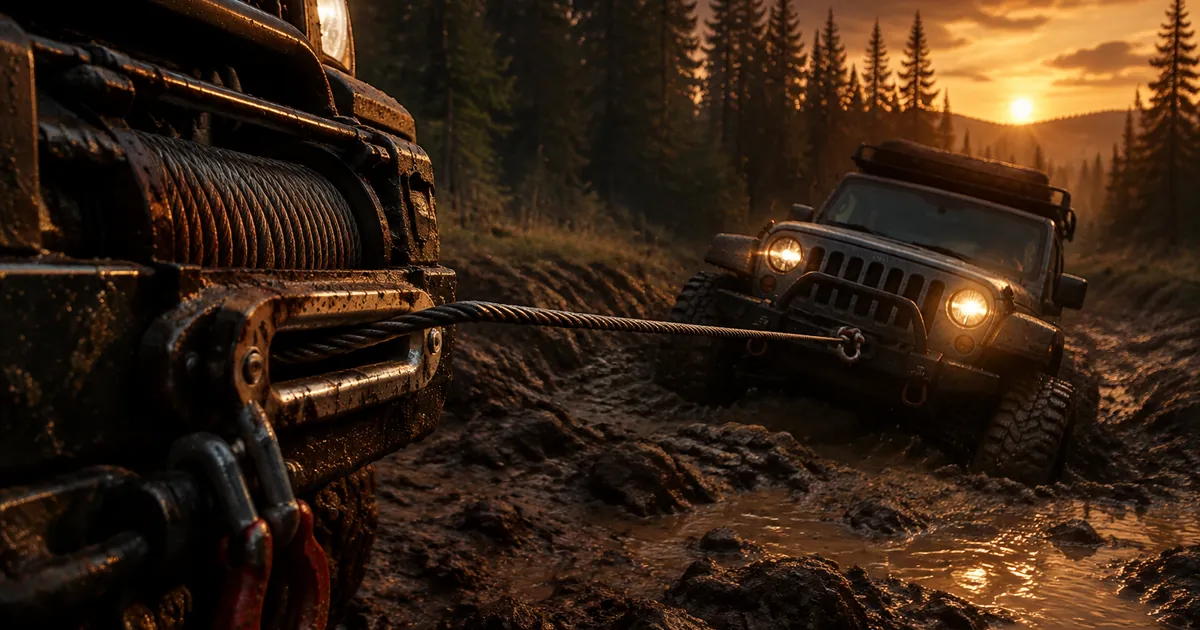
Steel is roughly two to three times stiffer than the aluminum alloys used in truck gear, and it deforms before it fails. That is why anything that takes impact or shock load is steel: electric winches, forged D-ring shackles, hi-lift jacks, and trailer safety chains are steel for a reason. A shackle bent out of shape is a warning; aluminum under the same load can crack without warning.
Weight: Aluminum Earns Its Keep Up High and On the Road
Aluminum weighs about a third as much as steel for the same volume. Where the part is bolted to the vehicle matters more than the raw number. A 50-inch aluminum-steel roof rack crossbar keeps mass up high — exactly where you do not want it — while still using steel in the mounting feet where clamping force lives. The same logic applies to a 60-inch aluminum bed toolbox: hundreds of fewer pounds of spring rate consumed compared to a steel box of the same size.
The hybrid approach most quality gear uses
Look closely at the best-designed accessories and you will find both metals doing what they do best. Our folding hitch cargo carrier uses a steel frame because the lever arm loads at the hitch, while aluminum panels and decking cut weight. Hybrid is not a compromise — it is the correct engineering.
Corrosion: Aluminum Resists, Steel Can Be Protected
Aluminum forms its own oxide layer and shrugs off road salt far better than bare steel. But modern steel gear is not bare: black e-coating, powder coat, and galvanization make a trailer jack or rust-resistant coupler entirely serviceable in snow-belt states. The failure mode to watch is coating damage — touch up chips on steel parts promptly and they will outlast the truck.
Cost and Repairability
- Steel is cheaper per part, weldable in the field, and bends before it breaks — you can see a problem coming.
- Aluminum costs more, resists corrosion passively, and saves weight on every drive.
- Cracked aluminum generally means replacement; bent steel can often be straightened or welded.
Quick Decision Guide
Choose steel for recovery, towing, jacking, and anything that takes shock or connects to a trailer: winches, shackles, chains, jacks, axles, couplers. Choose aluminum for carried weight and bolt-on convenience: roof crossbars, toolboxes, inverter housings like the 2000W pure sine wave inverter. When in doubt, buy the material the load demands — not the one the marketing pushes. Every product page in our catalog lists its construction materials so you can choose with the facts in hand.
How Each Metal Fails — and What That Means for You
Failure mode should drive material choice more than any spec sheet. Steel bends, dents, and grinds — visible, gradual, and usually repairable. Aluminum is more brittle under shock load: it can crack at a weld or a bolt hole with little warning. For gear that catches falls, arrests loads, or takes trail impacts, the warning bend of steel is a safety feature in itself.
Real examples from the catalog
- Trailer axle assemblies — always steel; flex and fatigue live in the spring seats.
- Swivel trailer jacks — steel tube for the drop leg, because a bent jack strands the trailer.
- Bed toolboxes — aluminum diamond plate; the load is static and weight sits over the rear axle.
- Power inverter housings — aluminum sheds heat, which matters more than strength in electronics.
Weight Math: What Savings Actually Add Up To
A steel 60-inch toolbox weighs roughly 60–80 lb; the aluminum equivalent lands near 30–40 lb. That 30 lb difference is real but modest. Compare that to a steel bumper-plus-winch setup, where 100+ lb of steel is non-negotiable because the part takes crash and recovery loads. Weight optimization belongs where loads are static — racks, boxes, panels — not where loads are dynamic.
Care Differences Season by Season
- Winter/salt states: rinse aluminum gear like you rinse the truck; oxide layers handle salt but grime holds moisture against fasteners. Touch up steel coating chips with paint or cold galvanizing spray.
- Summer/UV: powder coat fades on both metals; webbing and plastics degrade faster than either metal — inspect straps more often than hardware.
- Off-road use: check steel mounting bolts for torque after rough runs; aluminum threads strip more easily, so torque to spec, never to feel.
Frequently Asked Questions
Is aluminum stronger than steel by weight?
By strength-to-weight, yes — that is why aircraft are aluminum. But truck gear is volume-constrained, not weight-constrained: a shackle must fit a standard 3/4-inch pin, so it cannot grow to compensate for weaker material.
Will a steel toolbox rust through?
Not if the coating is maintained. Modern e-coated or powder-coated steel boxes last decades with touch-ups; neglect the chips and rust starts at the edges first.
Which is better for trailer parts?
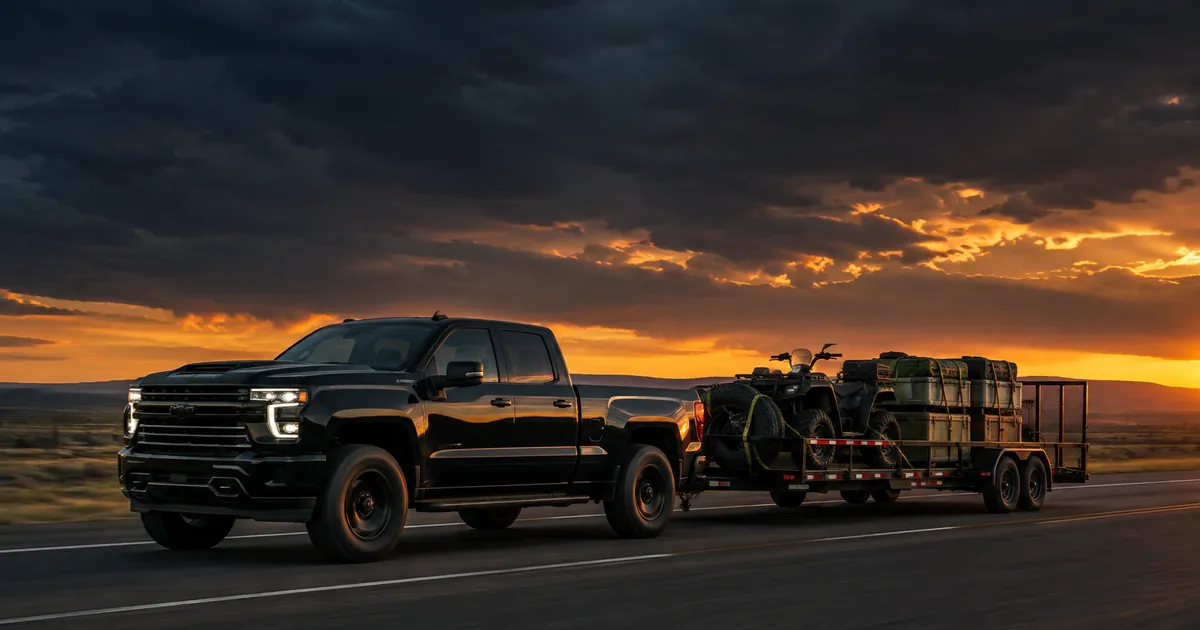
Steel, almost universally — safety chains, couplers, and jacks are legally and physically steel applications. See the full trailer category for details.